

Games Like Low’s Adventures
BLOODMONEY: Requiem
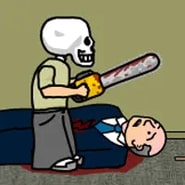
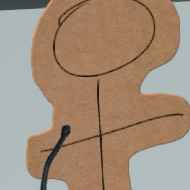
BLOODMONEY: Requiem looks like a sunny carnival booth run by a man who simply loves being clicked, but it plays like a slow test of how much someone else’s pain you will trade for speed. Harvey Harvington hands over $1 each time your cursor lands on him, a hospital bill of $25,000 hangs over everything, and the upgrade menu keeps proposing quicker routes that hurt him more. This remake repaints the original story, slips in fresh scenes, and keeps a second campaign locked until you have seen the first one through.
A Dollar per Click and a Surgery Bill in BLOODMONEY: Requiem
Within the first minute the math becomes obvious. One click earns one dollar, the operation needs twenty-five thousand of them, and nobody’s wrist wants to finish that by hand. Harvey makes the grind feel pleasant at first, chirping encouragement and grinning like a mascot at a county fair. That friendly start is deliberate, because the softer he seems now, the heavier every later purchase lands.
The counter climbs painfully slowly with bare hands. Most players open the menu within the first couple of minutes.
Idle and clicker regulars usually treat that menu like any other upgrade tree, buying the next item the instant the balance allows. Players drawn in by the story behave differently, hovering over each button and wondering what a purchase will say about them. Both approaches reach the goal eventually; they just arrive carrying very different feelings.
Price Tags That Double Shelf by Shelf
Every new tool runs close to double the price of the item before it while also multiplying by two the money each click produces, so climbing the menu is always the efficient choice on paper. The catch is what sits on each shelf. The lineup moves from almost playful to openly brutal, and the order is the whole point:
- Feather, a tickle that barely counts as harm.
- Needle, the first item that clearly hurts.
- Hammer, a heavy step up in both damage and income.
- Scissors, where the injuries stop being minor.
- Match and Knife, which drag the booth into real horror.
- Gun, waiting at the very top for $20,000.
Efficiency and decency pull in opposite directions here. Every faster option asks a little more of Harvey.
Speedrunners and completionists read that shelf as a route planner, mapping exactly which purchase unlocks which outcome. First-time players tend to read it as a moral staircase, and many stop climbing earlier than the math recommends simply because Harvey’s reactions get harder to watch.
The Knife Struggle and Its Click Prompt
Harvey does not stay a passive target all the way up. After the Knife joins your inventory, he pushes back, and a prompt asks for rapid clicking to win the scuffle. Lose it and the session closes on a defeat screen, which a surprising number of newcomers assume is a secret finale. It is nothing of the kind, only a failed exchange that blocks the other outcomes until you try again with quicker fingers.
The prompt arrives with little warning. Hesitation is what costs most players the struggle.
People used to leaving an auto-clicker running in other games get caught out here more than anyone, because this moment needs a human hand paying attention. Knowing the fight exists in advance turns it from a nasty surprise into a short burst of effort.
Harvey’s Bargain Before the Final Purchase
Right before the Gun becomes affordable, Harvey changes tactics. He pleads, then offers you nearly all the cash his booth still holds in exchange for walking away. Taking that cash and firing regardless flips the meaning of the whole run, exposing that surgery was never the real motive. A red message flashes once the credits finish, and that reveal stays with players far longer than the scare itself.
Few people repeat that route. One viewing tends to be plenty.
Horror fans who come for jump scares often leave talking about themselves instead, since the twist points the finger at the person holding the mouse. That self-reflection drives most community discussion, which focuses on choices and motives rather than on clicking speed.
Three Booth Outcomes in BLOODMONEY: Requiem
Good outcome. Hit $25,000 while the priciest thing you own is the Hammer or something milder. Harvey waves you off toward the hospital, and the epilogue praises your restraint, slightly less warmly when rougher tools were used along the way.
Normal outcome. Own the Scissors, maybe the Match and Knife as well, but leave the Gun unfired. Harvey lives through it, badly hurt, and the closing text makes sure the price of your shortcut is clear.
Bad outcome. Purchase the Gun and pull the trigger. It is the bleakest finish and the only one that reframes who your character was from the opening click.
What the Redrawn Remake Adds and Takes Away
Veterans of the original spot the new coat of paint within seconds. Sprites now use gentler pastel tones, Harvey’s features have crisper outlines, and extra scenes are woven between moments longtime fans already know by heart. A few returning players needed several minutes to warm up to the restyle, and some still prefer the scrappier look, yet most agree the cuter art makes the later damage more disturbing, not less.
The gentlest route changed the most. Trying to finish with only the Feather can now push a Hammer purchase on you.
That tweak divides the fanbase sharply. Some feel cheated out of a spotless run they had practiced for, while others see it as the remake stating plainly that there was never an innocent way to collect Harvey’s money.
Requiem as a Second Visit to Harvey
Clearing the first campaign opens the Requiem campaign, where the booth story continues and Harvey seems to carry memories of what earlier runs did to him. The setup looks familiar, but every click reads differently once he appears aware of the past. That continuity is what makes returning feel like a sequel rather than a reset.
Seeing all three booth outcomes first helps. The second campaign leans on what you already know.
Casual players looking for a short, unsettling clicker can happily stop after one ending. People who grew attached to Harvey treat Requiem as the true conclusion, and for them it is the strongest argument that the remake is more than a visual refresh.
Questions Returning Clickers Ask
- Which outcome counts as the kindest? The Good outcome, earned when the $25,000 arrives and nothing harsher than the Hammer was ever bought. Bare hands or the Feather read kindest of all, though in this version a Feather-only attempt can end with the Hammer pushed onto you anyway.
- Why did my run stop on a defeat screen? Harvey won the struggle that starts after you buy the Knife. Click rapidly the moment the prompt appears to win the scuffle and keep your route open.
- When does the Requiem campaign unlock? It opens once the first campaign has been completed. From there the story continues, and Harvey behaves as if the pain from previous playthroughs never faded.
BLOODMONEY: Requiem hides a hard question behind a cheerful $1 click: how far up the shelf will you climb, Feather first and the $20,000 Gun last, to pay that $25,000 bill? Win the Knife struggle, think twice before Harvey’s bargain, and then carry everything you learned into the Requiem campaign, where he remembers it too.
There are no reviews yet. Be the first one to write one.